
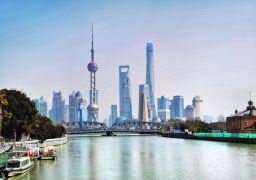
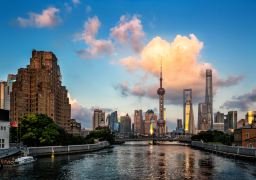
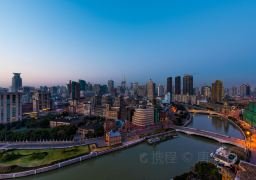
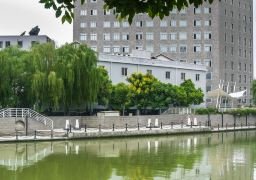
When Shanghai locals mention the Suzhou River, they often feel a sense of nostalgia and melancholy. The former splendor and opulence along its banks have been replaced by new buildings, and the grudges and rivalries of the old foreign firms have long faded into history. Yet, the river remains a silent witness. As a symbol of modern Shanghai, the Suzhou River has preserved many representative historical buildings, such as the Waibaidu Bridge, the Shanghai General Post Office, the former British Consulate, and the former Shanghai General Chamber of Commerce, forming a unique nostalgic scenery line in modern Shanghai. Once, the rise of industry along the Suzhou River led to severe water pollution, with the river becoming so polluted that it affected the environment and daily life, and fish and shrimp disappeared from the urban sections, earning it the nickname ‘the blooming black peony’. After a series of rectification projects, the Suzhou River has awakened from its slumber, with lush greenery on both banks. The water quality has significantly improved, complementing the historical buildings and creative parks along the river to form an emerging landmark in Shanghai. A night cruise route on the Suzhou River has also been established. The Suzhou River is 125 kilometers long, originating from Taihu Lake and merging into the Huangpu River near the Waibaidu Bridge, making it the second-largest river in Shanghai. Before Shanghai was opened to foreign trade, the Suzhou River was known as the Wusong River, specifically the downstream section east of Beixingjing was referred to as ‘Suzhou River’, named so because foreigners discovered they could travel by boat from this river to Suzhou. The Suzhou River, flowing for 5,000 years, has recorded the historical changes of Shanghai from ancient times to the present. Its journey from prosperity to decline and then to restoration represents the development footprint of Shanghai over the past century. Open all year round, accessible 24/7.
Related Content:
 839th Episode: Bustling Eastern Water Capital, Twin Dragons Play Pearls on the Huangpu River Beach
 #Self-Drive Tour# Shanghai, the Magic City: Unveiling its Mysteries Upon Arrival!
 Follow Xia Ningbao to the Jiangnan water town – Zhujiajiao Ancient Town.
 National Day Holiday: Exploring the Shimao InterContinental
 Shanghai Travel | Staying at the Peace Hotel, Stepping into the Stories of Old Shanghai, and Witnessing the Bustling and Vicissitudes of the Bund!
 Shanghai Family Weekend Getaway: From Water Town to Metropolis