
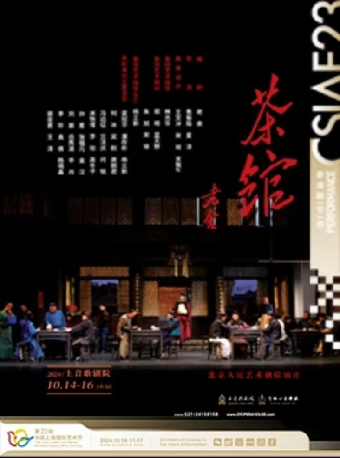
Set in the ‘Old Yutai’ teahouse in the capital city, the story unfolds in three acts. The first act is set after the Wuxu Reform in the late Qing Dynasty. During this time, political corruption was rampant, and the nation was weak with its people impoverished. Foreign goods and opium dominated the market. Intellectuals advocated for reforms or sought to establish industries. Eunuchs in power sought to marry, while farmers in the countryside sold their children. Reformers were beheaded, and those who believed in foreign religions gained confidence. Spies roamed freely, and ordinary people were easily blamed, leading to the shopkeeper Wang Lifa posting a notice in the teahouse saying ‘Do not discuss national affairs’. The second act moves into the period of the Republic of China, characterized by warlordism and suffering among the people. Foreign powers were eager to take advantage of the situation, and patriotic students called for the removal of national traitors and resistance against foreign aggression. The astute Wang shopkeeper struggled to maintain improvements and keep ‘Old Yutai’ afloat amidst harassment and exploitation by remnants of soldiers, bandits, and spies. The third act takes place after Beijing was occupied by the Japanese for eight years. The people finally looked forward to victory, but then the Nationalist Party and American soldiers arrived, plunging politics into unprecedented darkness, making Wang’s life even more difficult. His dreams of reform ultimately could not save ‘Old Yutai’, and he was forced to hang himself… The performance is open from October 14th to October 16th, lasting 160 minutes including a 15-minute intermission, subject to actual conditions on site.
Related Content:
 National Day Holiday: Exploring the Shimao InterContinental
 Jiangnan Song City: Scenic Beauty, Hakka Cradle, and Fun in Ganzhou!
 Summer Vacation in Shanghai: Must-Visit Spots to Bookmark
 Immerse in the Painting of Riverside Scene at Qingming Festival, Seek the Dreamlike Records of Eastern Capital
 New Summer Attractions at Shanhaiguan
 West of Tibet, Towards the Scorching Mountains and Rivers