
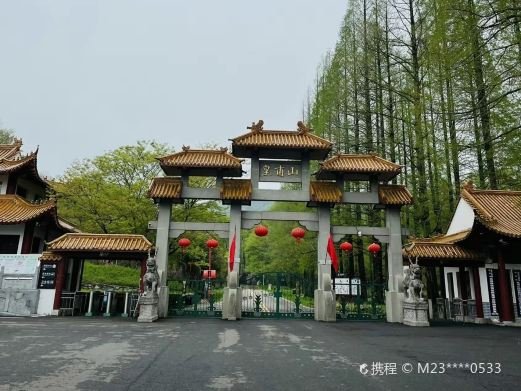
Changjing Town is located in the southeast of Jiangyin City. It is adjacent to Taihu Lake in the south and Changjing River in the north. It is adjacent to Wuxi, Changshu and Zhangjiagang. Surrounded by green mountains, the middle is flat. It is rich in natural resources and outstanding people. The land and water transportation is convenient. It is currently the only famous historical and cultural town in China in Jiangyin City.
The ancient name of Changjing Town is ‘Dongshun City’. It has a 5,000-year history of civilization. Now the site of ‘Shun cultivated here’ is preserved. There are key units in Jiangsu Province: Dafu Silkworm Seed Farm. There are six cultural relic protection units at the city level: Liangwu Weir, Wangjia Stone Archway, Former Residence of Zhang Dalie, Dongzhuang Bridge, Former Residence of Shangguan Yunzhu, and Lianminxuan Library. There are 17 town-level cultural relic protection control units. Ancient houses, ancient streets, ancient bridges and ancient temples can be seen everywhere in the town. It can be said that every step is a history, every step is a culture, every step is a landscape, and every step is a story.
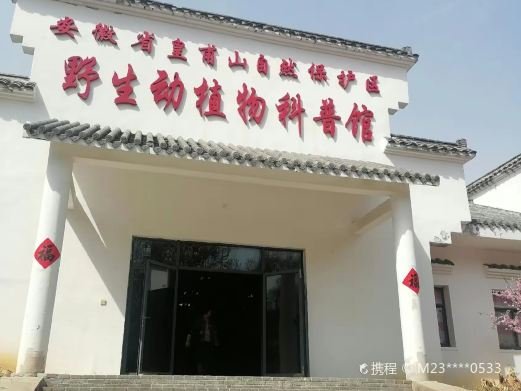
Changjing Old Street began in the Song Dynasty and was built in the Ming Dynasty. It is more than 1,000 meters long. Strolling on the old street of Changjing in Jiangyin, the white walls and black tiles of the buildings in the Ming and Qing Dynasties are simple yet dazzling. They are particularly eye-catching in the autumn drizzle.
The ancient name of Changjing is Dongshun City. According to ‘Records of Local Customs’ compiled by Zhou Chu of the Western Jin Dynasty, Shun once lived here, cultivating with primitive farming methods and civilizing the ancestors. Since then, the ancient civilization of Changjing has been opened up. Up to now, the site of Dongshun City has become a scenic spot.
In the era of Emperor Wu of Liang, Xiao Yan, due to the high terrain of Changjing and nine droughts in ten years, Crown Prince Zhaoming went to Changjing in person. According to the different terrain heights, he built weirs in sections and stored water in layers. The 18 dams known as Liangwu Weir made Changjing fully benefit from irrigation and made this land finally become a fertile place. Thus, Changjing gradually developed into a land of fish and rice.
Guests and tourists from home and abroad come to the ancient town. They can enjoy various flowers in spring, escape the heat in summer, taste fresh fruits in autumn, and relax in winter. The ancient town of Changjing has written a vivid chapter of Taihu Lake water town culture and performed a magnificent poem of the Yangtze River. It will also expel the stale and take in the fresh, showing its unique historical and cultural connotations between the Yangtze River and Taihu Lake and continuing to write its magnificent chapter that combines firmness and softness. Main tourist attractions: Jingshui River, old street, Ming and Qing Street, Dafu Silkworm Egg Farm, Memorial Hall of Shangguan Yunzhu, Former Residence of Zhang Dalie, Lianminxuan Library, Dongshun Lake Park, Baichuan Park, etc. Opening hours: Open all year round and all day. Preferential policies: Children: Free for those under 1.4 meters (inclusive). The elderly: Free for those aged 70 and above; for those aged 60 (inclusive) to 69 with a senior citizen card, it’s 15 yuan. Military personnel: Free with military officer’s certificate. Disabled people: Free with disability certificate. Students: 10 yuan with student ID. Supplementary note: The above are the preferential policies for some paid attractions in the scenic area for reference only.
Related Content:
 Jiangnan Song City: Scenic Beauty, Hakka Cradle, and Fun in Ganzhou!
 Follow Xia Ningbao to the Jiangnan water town – Zhujiajiao Ancient Town.
 Suzhou, Shanghai, Zhejiang: A 3-Person Self-Drive Adventure
 West of Tibet, Towards the Scorching Mountains and Rivers
 839th Episode: Bustling Eastern Water Capital, Twin Dragons Play Pearls on the Huangpu River Beach
 Zhengzhou – Nanjing – Wuxi – Shanghai, Leisure Self-driving All the Way, Feel the Midsummer Time!