
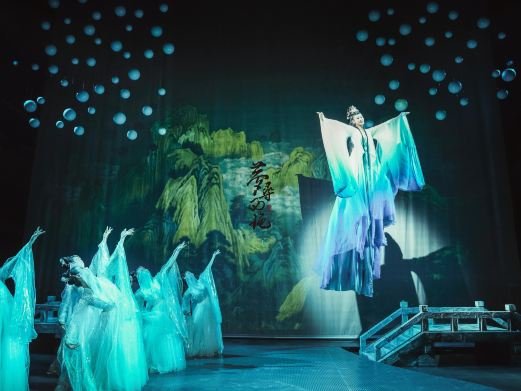
Zhuwang Village is an ancient village that was built more than 1,300 years ago. It is one of the five ancient civilized villages in Jingde County. The houses are all Huizhou architecture. It has profound cultural connotations, a long human history, and unique architectural landscapes.
It is said that it is the residence of descendants of Zhu Xi, a great scholar of Neo-Confucianism in the Song Dynasty. There are currently 47 well-preserved ancient buildings from the Ming and Qing Dynasties. The layout of residential buildings is reasonable and unique, with a typical Huizhou architectural style. There is also a relatively well-preserved private school – ‘Fushan Academy’, and the old pawnshop with the ‘Tea Brand’. The Zhuxi River in the middle of Zhuwang Village was artificially excavated by the Zhu family ancestors back then. It presents a unique water system with water flowing from north to south. There are nine wells for drinking water by the river and in the river. There are thirteen stone bridges made of huge bluestones on the river. The nine wells and thirteen bridges are called ‘Nine Wells and Thirteen Bridges’.
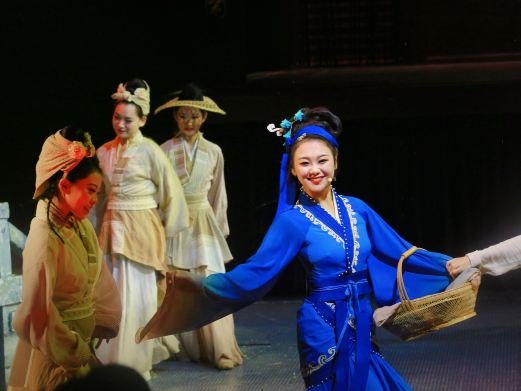
In the legends of the elders in Zhuwang Village, it is said that nine Jinshi will emerge from Zhuwang Village, and the Zhu family’s dynasty will last for thirteen dynasties.
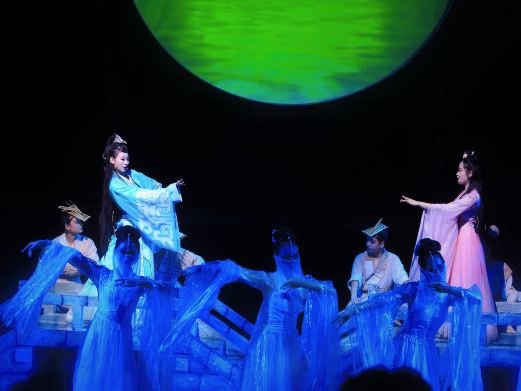
The ‘Xianyun Pool’ upstream of the Zhuxi River is the place where Zhu Zedan, one of the Hanlin scholars from the Zhuwang Village in the Ming Dynasty, accompanied by the moon to read. The four characters of the cliff inscription ‘Reflection of Idle Clouds in the Pool’ written by his own hand are clearly distinguishable, and the ruins of the ancient stage by the pool can be vaguely seen.
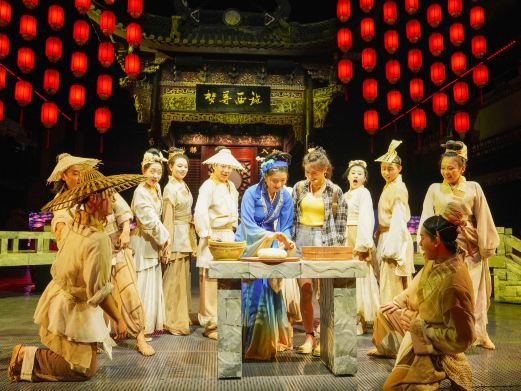
‘Longtan Waterfall’ has three cascades. The ‘Guanyin Temple’ and ‘Dragon King Temple’ express the ancients’ prayers for prosperous descendants and good weather.
Related Content:
 Jiangnan Song City: Scenic Beauty, Hakka Cradle, and Fun in Ganzhou!
 Suzhou, Shanghai, Zhejiang: A 3-Person Self-Drive Adventure
 National Day Holiday: Exploring the Shimao InterContinental
 839th Episode: Bustling Eastern Water Capital, Twin Dragons Play Pearls on the Huangpu River Beach
 Follow Xia Ningbao to the Jiangnan water town – Zhujiajiao Ancient Town.
 Zhengzhou – Nanjing – Wuxi – Shanghai, Leisure Self-driving All the Way, Feel the Midsummer Time!