
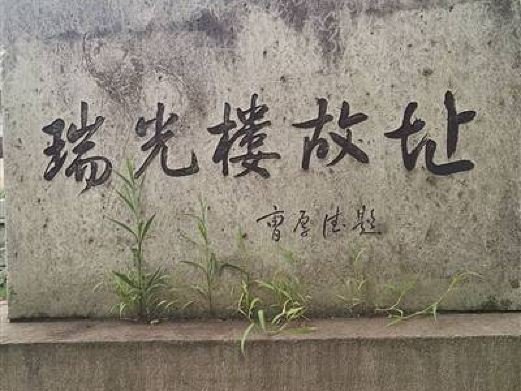
Rui Guang Tower Ruins
The ruins of Rui Guang Tower are located in Haishu District, Ningbo City. During the river widening in the 1970s, part of the site foundation became the river channel, and the other part was constructed into streets and roads.

The ruins of Rui Guang Tower are located in Haishu District, Ningbo City. During the river widening in the 1970s, part of the site foundation became the river channel, and the other part was constructed into streets and roads.

Side Equestrian Club is located in Longguan Township, Haishu District. It is capable of hosting large-scale equestrian performances and various types of equestrian competitions. The club is also equipped with catering, tea rooms, fishing, and more. There is even a green ecological breeding garden, integrating horse riding, fishing, and breeding, allowing visitors to enjoy the
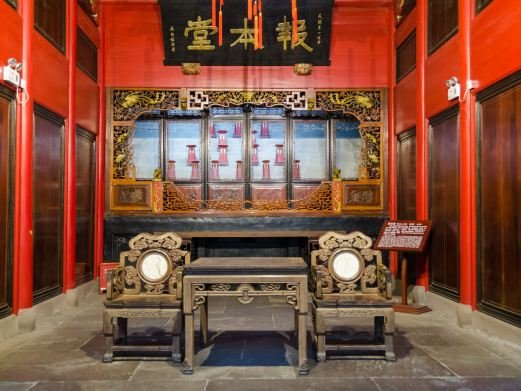
Upon entering the Wuling Gate, the building not far to the right is the Jiang’s Ancestral Hall. Jiang’s Ancestral Hall is the traditional venue for the Jiang family of Xikou to conduct clan activities, where ancestral worship, celebrations, weddings, and funerals are all held. Here, the ancestral tablets of the Jiang family from the ancestor
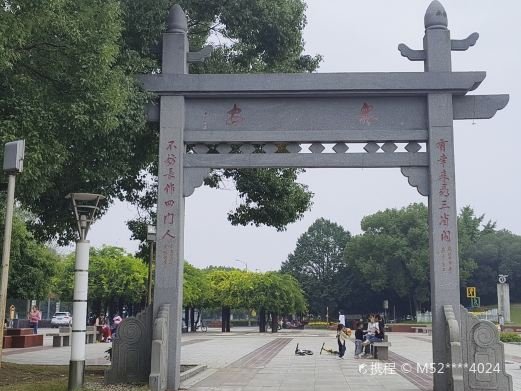
Ruhu Park is located on Guangming South Road, Yuyao City, Ningbo City. It covers a total area of about 80 mu. It officially opened on September 28, 2004. It is an urban park integrating multiple functions such as tourism, culture, leisure and activities. Opening hours: open all day throughout the year.
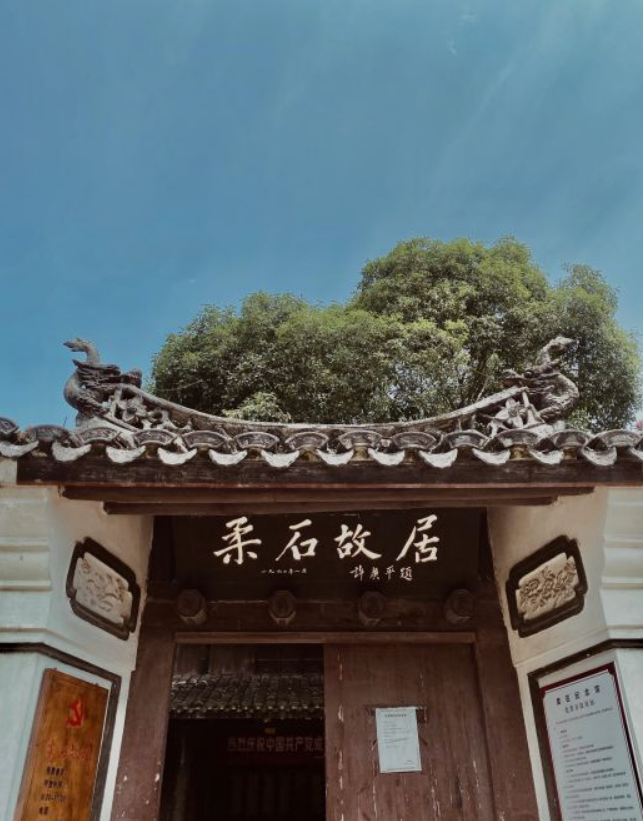
Rou Shi (1902 – 1931) is from Ninghai County, Zhejiang Province. In 1927, he returned to his hometown and taught at Ninghai Middle School. Rou Shi’s original name is Zhao Pingfu. In front of his house, there was once a small stone bridge engraved with ‘Golden Bridge, Rou Shi’. Therefore, he once used ‘Rou Shi’
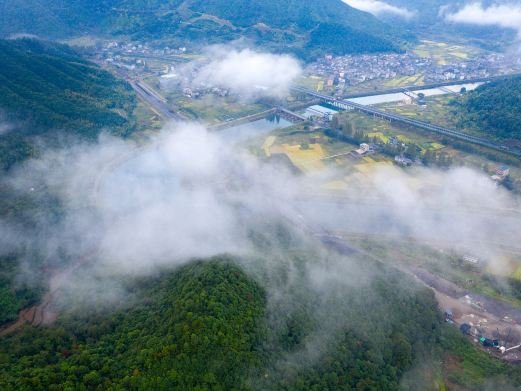
Sangzhou Town is located in Ninghai County. Here, there are ten-thousand-mu ecological tea gardens, the rape flower scenic area at Yunangang, the ancient tree group of the Xia family with a history of more than 500 years, the well-preserved ancient buildings from the Ming and Qing Dynasties ‘Chenjia Santai’, the old street of Sangzhou, the

Sanxipu Reservoir is located in the southeast coastal area. It is a reservoir that mainly functions in flood control and water supply, and also combines functions such as irrigation, power generation, and fish farming.
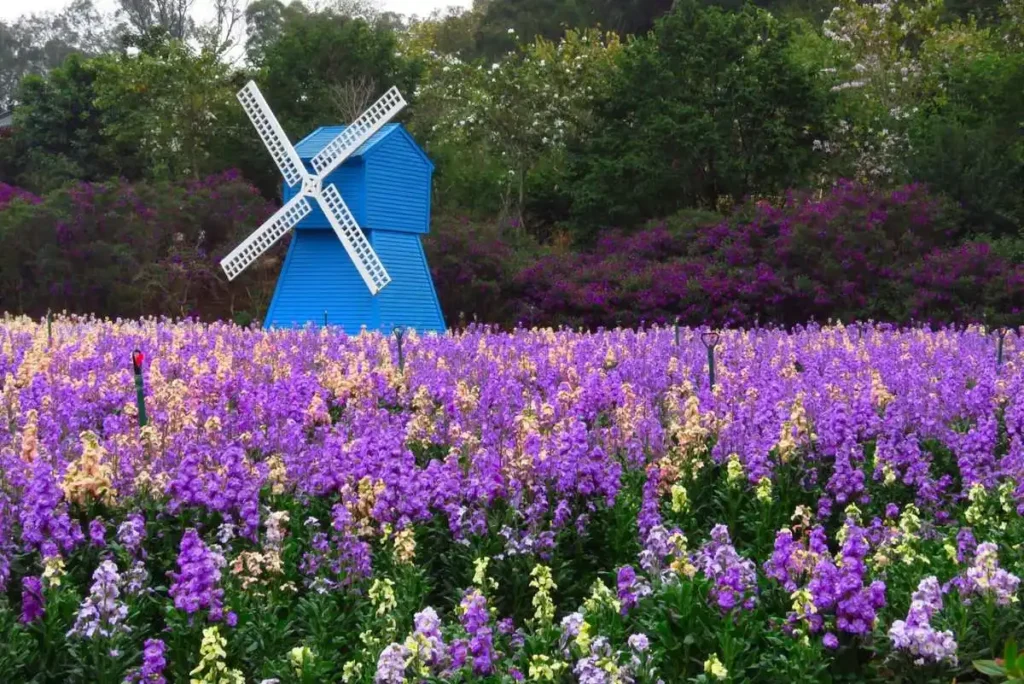
The overall planned area of the Sanshan Flower Sea project is 500 mu. It is adjacent to the coastal central line in the north, Lehai Road in the south, Taihe South Road in the west, and Yangshashan in the east. The park is planted with Verbena bonariensis, mainly in purple tones. Among them, Cosmos bipinnata,
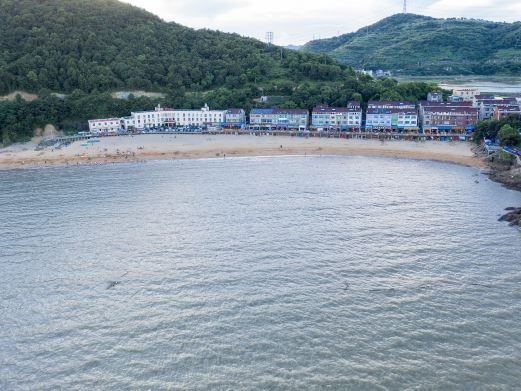
Mu Chao Beach, named after its location in Mu Chao Village, is 40 kilometers away from the county town of Sanmen. It is situated in the southern part of Jian Tiao Port, facing Sanmen Bay and backed by the Paotai Mountain, with the Mu Chao Cape and Paotai Mountain on either side. The beach, which
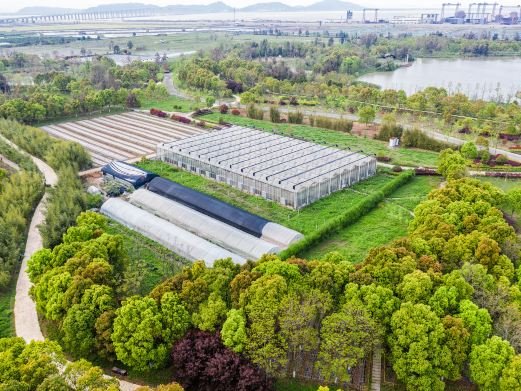
Sanmen Agricultural Expo Park is located in the modern agricultural park of Sanmen County, Beitang, Liu’ao Town. The park has ten functional blocks, including the Fishing and Farming Folk Culture Expo Hall, agricultural quality education and training area, Bai Guo Yuan (Hundred Fruit Orchard), rare poultry breeding area, etc. It is a comprehensive project integrating