

In ancient Chinese architecture, folk eaves tiles can be seen on almost every roof. Some are simple, some are exquisite, some are practical, and some are beautiful. Eaves tiles can fully reflect the social status of a family at that time. Eaves tiles are actually easy to understand. The ’tile’ is arc-shaped downward and is also called ‘eaves end’. The ‘dang’ is arc-shaped upward and is also called ‘drip tile’. Together, they are called ‘eaves tiles’. Eaves tiles are located at the eaves and are a decorative accessory on traditional architecture. They are used to cover the rafter ends at the tile ridges and are often decorated with patterns. At the same time, they also facilitate the drainage of water and play a role in protecting the rafters from rain erosion and prolonging the life of the building. Eaves tiles are made of simple materials, are fragile, and are not easy to preserve. Coupled with different cultural backgrounds in each period, ancient eaves tiles have certain cultural, historical, and artistic values. In the exhibition hall, there are six categories including lace drip tiles, chopstick cages, brick carvings, ancient bricks, and pottery figurines, with more than 300 varieties. Among them are traditional eaves tiles with beautiful wishes; there are temple eaves tiles with religious colors, and there are political pattern eaves tiles indicating certain historical periods. The diverse eaves tiles not only add to the beauty of ancient buildings and give people an aesthetic enjoyment, but are also valuable materials in Chinese calligraphy, seal engraving, painting, etc., and have certain reference value for studying politics, economy, culture, etc. in various periods of ancient China.
Opening hours: Open all year round from 08:00 to 17:30. For specific opening hours, please consult the scenic area.

Related Content:
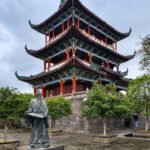 Jiangnan Song City: Scenic Beauty, Hakka Cradle, and Fun in Ganzhou!
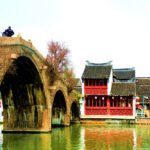 Follow Xia Ningbao to the Jiangnan water town – Zhujiajiao Ancient Town.
 Zhengzhou – Nanjing – Wuxi – Shanghai, Leisure Self-driving All the Way, Feel the Midsummer Time!
 A Tranquil Escape to Anlu: A Three-Day, Two-Night Journey into the Past with My Child
 Owed Travel, What Do These Goddesses Have to Say?
 Suzhou, Shanghai, Zhejiang: A 3-Person Self-Drive Adventure