
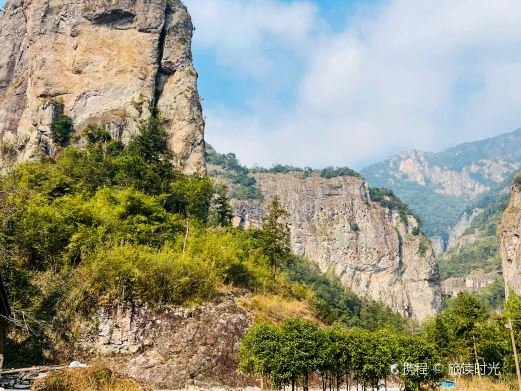
Yan Lake Scenic Area, historically known as Xi Wai Valley, spans from Dongling in the east to Xiaozhou Mountain in the west, from Benjue Temple in the south to Yan Lake Ridge in the north. It is 7.2 kilometers wide from east to west and 7.8 kilometers long from north to south, covering an area of approximately 57 square kilometers. The region boasts over 50 scenic spots, including 12 peaks, 6 rocks, 8 waterfalls, 6 caves, 2 gates, and 2 valleys, with lakes, waterfalls, peaks, and valleys being the highlights.
“Yan Lake” is the origin of the name Yandu Mountain, which Xu Xiake referred to as the “Home of Swan Geese”. From the ridge, one can overlook the sea of clouds and the sunrise spectacle. The misty Meiyu Waterfall, the ribbon-like Luodai Waterfall, the mysterious Xida Waterfall, and the elephant-shaped Hanzhu Peak, Shihao Peak, and Yutu Peak, as well as the perilous and secluded Tiyun Valley and Xishiliang Cave, are all remarkable sights.
Related Content:
 West of Tibet, Towards the Scorching Mountains and Rivers
 Yan Lake Scenic Area
 Suzhou, Shanghai, Zhejiang: A 3-Person Self-Drive Adventure
 Jiangnan Song City: Scenic Beauty, Hakka Cradle, and Fun in Ganzhou!
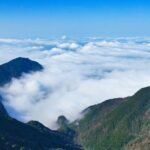 Winter Tour in Mingyue Mountain, Jiangxi. Play with snow on the mountain and soak in hot springs at the foot. See waterfalls and floating clouds and take a small train. Beautiful scenery and fun activities.
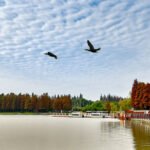 Chongming Mingzhu Lake Park