
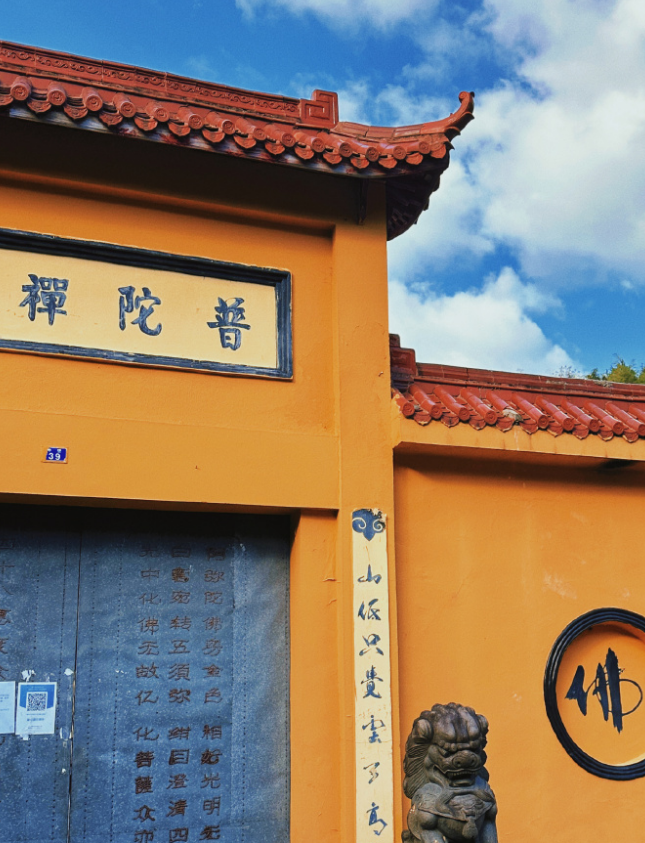
Putuo Zen Temple
Putuo Zen Temple, originally established in the first year of the Zhenguan era during the Tang Dynasty, has a history of over 1300 years and attracts a multitude of tourists for visits.
Travel Destination Highlights: Explore, Discover, and Experience
Dive into the beauty of the world with our curated list of travel destinations. Experience local cuisine, attractions, and unique adventures.
Putuo Zen Temple, originally established in the first year of the Zhenguan era during the Tang Dynasty, has a history of over 1300 years and attracts a multitude of tourists for visits.
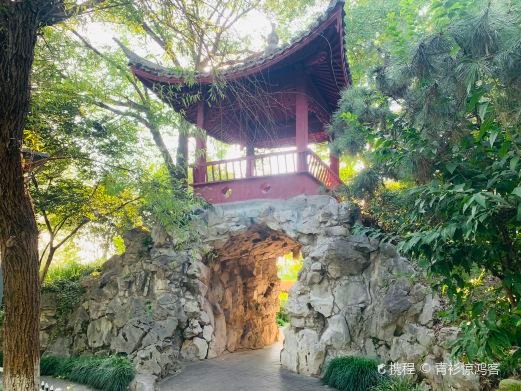
The bonsai garden is located near Nantang Old Street. There are many kinds of bonsai in it. It is very beautiful under the illumination of lights at night. The specific business hours and opening status are subject to the opening situation on that day.
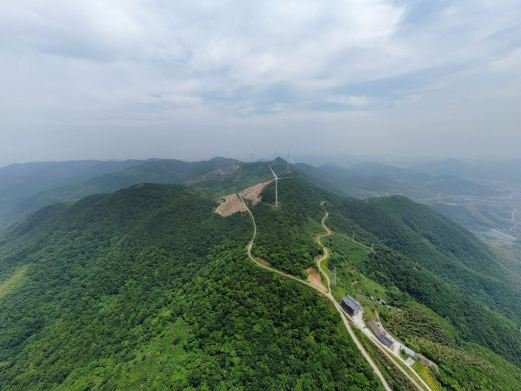
The Bodhi Ridge Ancient Path is named after the nearby Bodhi Zen Temple situated on the ridge. Constructed with cobblestones, the path is lined with cherry blossom trees and bayberry trees on both sides.
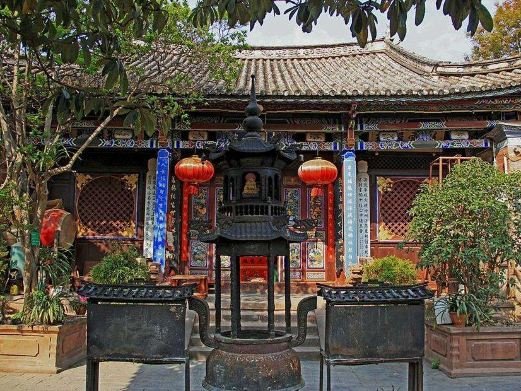
Panlong Temple was built in the Ming Dynasty. It is named after the terrain of Huangxian Village, which is like ‘a dragon coiling and a tiger crouching’. For hundreds of years, the temple has been a famous temple along the eastern coast of Fenghua, with prosperous incense. Panlong Temple is located in the hinterland of
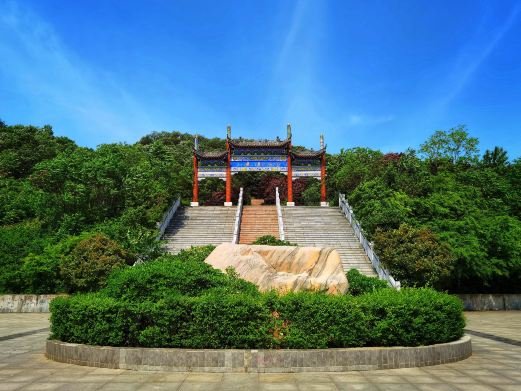
Panlong Mountain, also known as Panlong Mountain, Pan Mountain, or Long Mountain, is located in the southern part of Queshan County and is commonly referred to as the Southern Mountain by locals. The mountain features two peaks, the eastern peak stands at 233 meters, representing the dragon’s head; the western peak is 215 meters high,
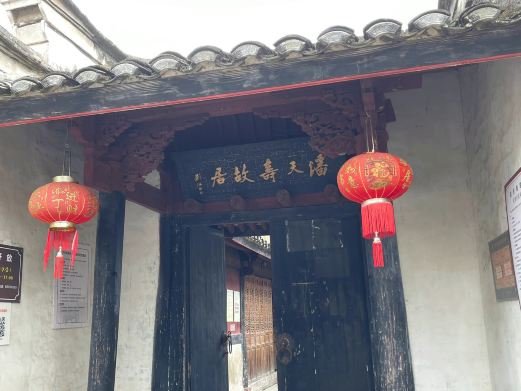
When Pan Tianshou was young, he felt that he had no talent for doing official business. Only calligraphy and painting were still competent. Therefore, he deeply explored and studied poetry, calligraphy, painting, seal cutting and other aspects. In 1923, at the age of 27, Pan Tianshou was recruited to work at Shanghai Fine Arts School
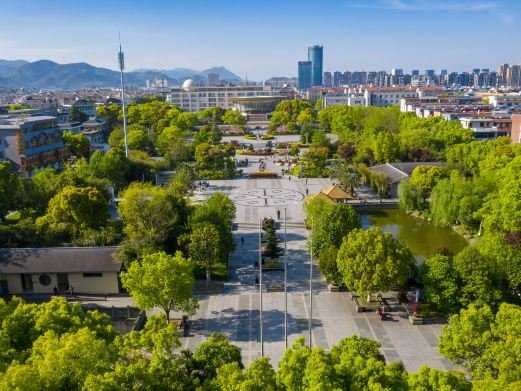
Pan Tianshou Square, named after the renowned Chinese painting master Mr. Pan Tianshou (from Guanzhuang, Ninghai), spans a total area of 70 acres with a construction area of 1,000 square meters and a green space of 14,000 square meters. The square integrates commemorative, cultural, artistic, and recreational elements, making it a popular destination for citizens
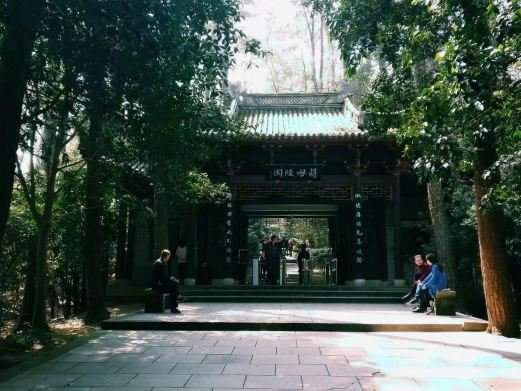
The memorial archway is the first stop to enter Jiang’s mother’s cemetery. The stone archway is of four pillars and three gates. The four characters “Jiang’s Mother’s Pathway” are engraved on the central gate. Therefore, from here to Jiang’s mother’s tomb is collectively called “Jiang’s Mother’s Pathway”. From the stone archway to Jiang’s mother’s tomb

Qian Pei Jun Temple is one of the eighteen Pei Jun Temples along the Dongqian Lake. The temple complex features a traditional quadrangle structure, comprising a gatehouse, a main hall, and east and west wing buildings.
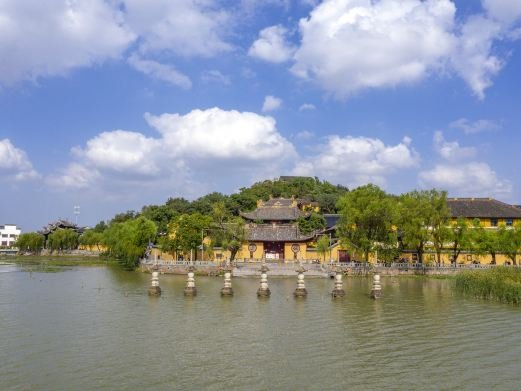
An ancient temple with a history of thousands of years – Jinxian Temple. It was established in the Liang Dynasty of the Southern Dynasties and has a history of thousands of years. After several destructions and reconstructions, its style remains unchanged. The temple gate is facing Baiyang Lake. A pair of stone lions in front